
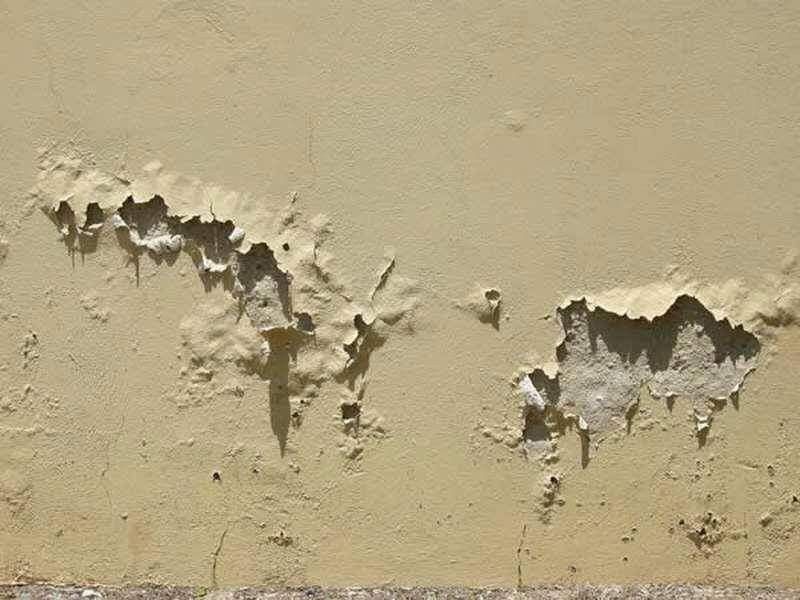
Dampness is one of those building problems that doesn’t look serious at first until it is.
It might start as a small stain on the wall or a bit of peeling paint. But over time, that same issue can lead to damaged finishes, weakened structures, and uncomfortable indoor conditions. In areas with heavy rainfall and high humidity, this is even more common.
The good news is that dampness can be properly managed once the cause is clearly understood and the right solution is applied.
What is Dampness in Buildings?
Simply put, dampness is unwanted moisture within a building. It can show up in walls, floors, ceilings, or foundations, and it usually comes from water getting in where it shouldn’t, either from the ground, from outside, or from within the building itself.
Common Causes of Dampness
Dampness doesn’t happen by accident. There’s always a reason behind it:
- Rising damp: Moisture from the ground moves upward through walls due to capillary action, especially where there is no proper damp-proof barrier.
- Penetrating damp: Rainwater finds its way in through cracks, weak external walls, or failed waterproofing.
- Condensation: Common in poorly ventilated spaces, where warm air meets cold surfaces and forms moisture.
- Construction defects: Poor workmanship, honeycombing, or wrong material choices can leave pathways for water.
- Leakages: Faulty or hidden plumbing leaks can introduce moisture gradually over time.
What Happens When Dampness is Ignored
Dampness rarely stays on the surface. If left untreated, it can lead to:
- Weakening of concrete and corrosion of reinforcement
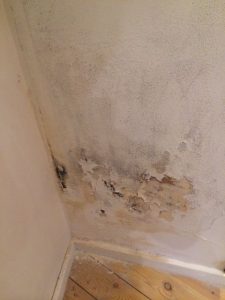
- Peeling paint, staining, and white salt deposits (efflorescence)
- Loose or debonded tiles
- Mould growth and potential health issues
- Ongoing repair costs that keep increasing over time
How Dampness is Properly Treated
Fixing dampness properly means going beyond surface repairs. It requires dealing with the root of the problem.
A typical and effective approach includes:
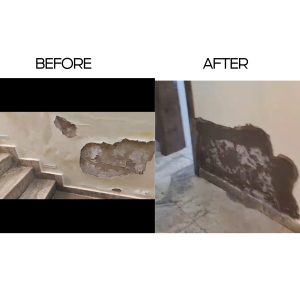
- Remove the damaged layers
All affected plaster, paint, and screed should be completely removed. This exposes the actual surface where the problem exists and allows for proper treatment. - Apply a waterproofing layer
A cementitious waterproofing system such as Armorcoat 2K is then applied to the prepared surface. This creates a barrier that prevents further moisture from passing through. - Allow it to dry properly
Rushing this stage can reduce effectiveness. The coating needs time to cure and form a solid protective layer. - Reapply plaster or screed with added protection
Once the waterproofing layer has dried, a fresh screed or plaster is applied.
At this stage, adding a waterproofing admixture like Aquaseal 300 into the mixing water helps reduce how easily moisture can pass through the new layer.
Long-Term Solutions for Preventing Dampness
Prevention is always better than repeated repairs. A few practical steps can make a big difference:
Waterproof during construction
Incorporating admixtures such as AQUASEAL 300 into concrete, plaster, and screed helps reduce porosity and improves resistance to water from the start.
Protect wet areas properly
Kitchens, bathrooms, and similar areas are constantly exposed to water. Applying Armorcoat 2K beneath tiles helps prevent water from seeping into slabs and walls.
Use flexible systems in exposed areas
Terraces and balconies are exposed to weather and movement. A flexible system like Armorcoat 2K Flex is better suited for these areas, especially under tiles.
Seal weak points
Cracks, joints, and service penetrations should always be properly treated they are common entry points for water.
Ensure proper drainage and ventilation
Good site drainage and airflow help reduce water buildup and condensation-related dampness.
Why It Pays to Get It Right Early
Dampness is much easier and far less expensive to prevent than to fix later. Taking the right steps during construction, and applying proper treatment when issues arise, helps avoid recurring problems and extends the life of the building.
In Conclusion.
Dampness is more than just a surface issue. It affects how a building performs over time.
When the root cause is properly addressed and the right systems are used, it’s possible to keep structures dry, durable, and in good condition for years.